
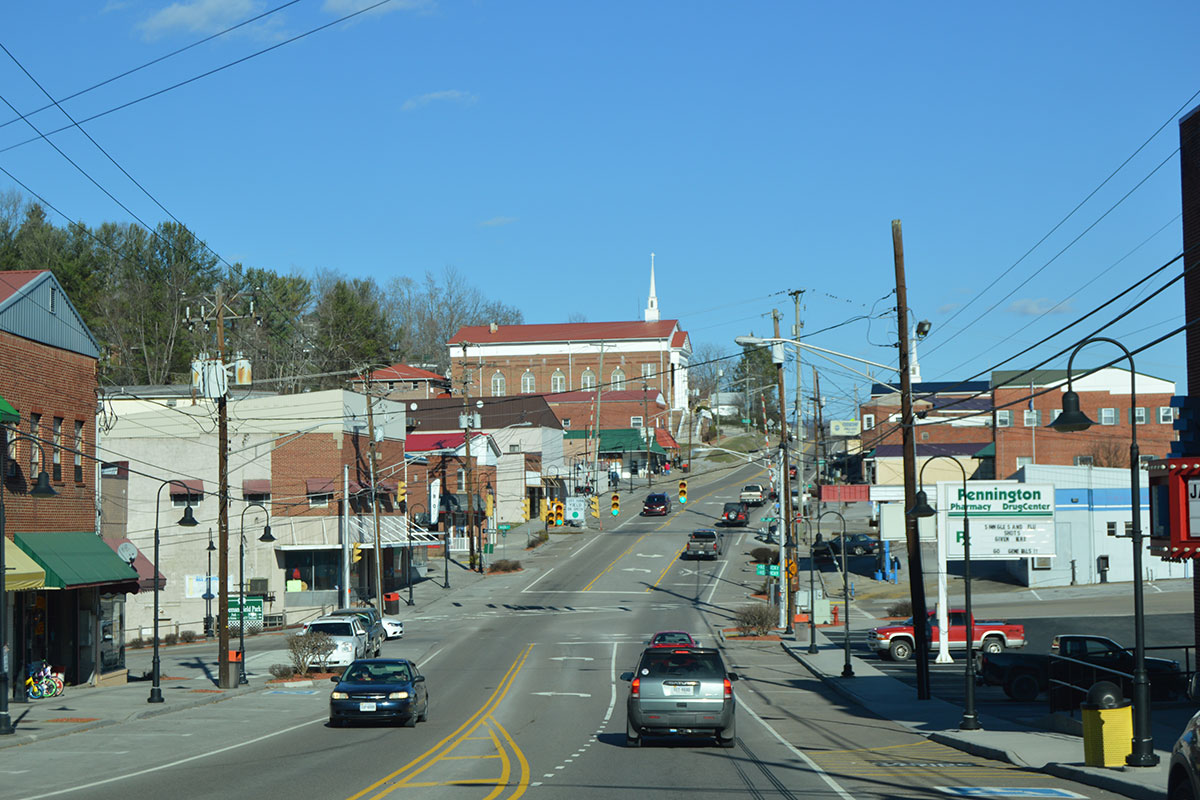
I Was Dying Quietly: Addiction and Medical Collapse in Pennington Gap
I didn’t realize it at first—but meth and fentanyl weren’t the only enemies dragging me under. Living in Pennington Gap, Virginia, addiction snuck in one afternoon after another, and before long I was beyond sick. My body began crumbling from the inside out: I had abscesses from injecting, rotting teeth, and I’d lost so much weight that my clothes hung off me like sheets. Mornings were torture—my heart pounded with arrhythmias, my chest ached, and my lungs wheezed from untreated pneumonia. I’d convinced myself it was just the drugs, but the deeper truth was more terrifying: I had untreated hepatitis C, possible endocarditis, severe malnutrition, and a constant battle with infections I ignored out of shame and fear.
No one saw how twisted my internal world had become—how I was hallucinating at night from sleep deprivation, seeing things crawl across the walls, hearing voices whispering, and waking up drenched in sweat. I was paranoid, agitated, and empty. The small-town stigma in Pennington Gap meant I couldn’t breathe a word of what was happening outwardly. So I hid in my shame, wrapped in my sickness, trying to use my way out of what should have killed me. My body was failing—and so was my will to fight.
Recovery Restored Me—Not Just My Sobriety, But My Humanity
Getting sober wasn’t a reset button—it was a new beginning. And though it didn’t erase the damage, it gave my life a chance at healing. Recovery didn’t just change my life—it saved it.
A Healing Body
Once I got clean, my body began to heal in ways I never thought possible. The abscesses closed, pain subsided, and I began to eat again. I saw a doctor who ran lab tests, identified my hepatitis C, and began treatment. Pneumonia cleared with antibiotics; nutrition counseling helped bring weight back. I could breathe without chest pain and hold my head high—things that used to feel impossible.
A Calmer Mind
Mental health issues that I ignored—like depression, anxiety, and post-traumatic stress—no longer had to be self-diagnosed. Therapy sessions helped me unpack the trauma driving my addiction. I learned coping tools instead of chasing numbness. Medication helped stabilize mood, and therapy healed confusion—I started sleeping, thinking clearly, and feeling grounded again.
Relationships Rebuilding
I thought I’d lost the right to ask for forgiveness. But recovery gave me the courage to try. I wrote letters, showed up for Sunday dinners, reconnected slowly. My little niece recognized my voice again. One conversation at a time, I began to rebuild trust with family, not through sweet words, but steady presence.
Renewed Purpose
Addiction steals your purpose; recovery gives it back. I found joy in helping others—working with local support groups, helping out at the church food pantry, even talking to others beginning the same fight. I discovered that the person on the other side of my story might need my voice, the same way I once did. Instead of living in shame, I chose to live with purpose.
Why Hopkins Medical Association Made All the Difference
I tried to get clean before—but I couldn’t stay clean. I relapsed when things got hard. That’s when I found Hopkins Medical Association—and everything changed.
They Treated My Whole Self
Hopkins didn’t just treat the addiction. They treated my bleeding abscesses, my cracked teeth, my shaky heart, and my failed body. They ran labs, stitched wounds, referred me to a dentist, and helped with vitamin deficiencies. They saw my medical emergency as more than a checklist—they saw me, broken in body and spirit.
Medication-Assisted Treatment Grounded Me
I started treatment with Suboxone, which calmed my cravings and stopped the spirals that led to relapse. With the fog lifted, I could think, plan, and heal. Hopkins offered that treatment without judgment—just science-backed, human care that let me stand before rebuilding.
It’s About Mind, Too
At Hopkins, I met a trauma-informed therapist—someone who understood that addiction and trauma often come hand-in-hand. I wasn’t just “a drug user”—I was someone with emotional wounds and a lopsided brain chemistry. My anxiety and depression were met with therapy, medication management, and a support team that saw me, not a diagnosis.
Consistent Chronic Care
They enrolled me in chronic care monitoring—tracking health markers, scheduling follow-up labs, medication check-ins—all the structure I’d never had before. They supported me navigating insurance and transportation. I wasn’t doing this alone—the clinic was walking with me.
Local, Accessible Care That Gets It
Pennington Gap is small, and halfway houses or distant clinics didn’t fit my life. Hopkins is here, in our community, with flexible hours, compassionate staff, and no stigma. They know Southwest Virginia—its struggles and strengths—and they’ve built care that answers us where we live.
This Is Where You Start—Hope Lives Here
Maybe you’re still using. Maybe you feel trapped, sick, and ashamed. Maybe you don’t feel human. I was there. I know that place. Addiction nearly killed me—but recovery gave me everything I lost.
You deserve a life of health and meaning. You deserve to heal—not just stop using, but thrive. And Hopkins Medical Association is here to help you do it.
Ready to Heal? Here’s How to Begin
Hopkins Medical Association – Pennington Gap, VA
- Call today for a confidential appointment
- Same-week scheduling for therapy, MAT, labs
- Treatment for addiction and express medical care
- Mental health counseling and chronic care support
- Dignified, compassionate care in your community
You Deserve More Than Survival—You Deserve to Live
Not just to get by… but to thrive.
To laugh, breathe, build, love again.
To walk into a hospital and walk out trusting.
To say, “I’m healing,” and mean it.
I found that life in recovery. I had help from Hopkins Medical Association. And that help can be the bridge from your darkness back into purpose.
So reach out today. Show up once. Let’s walk forward from there.