
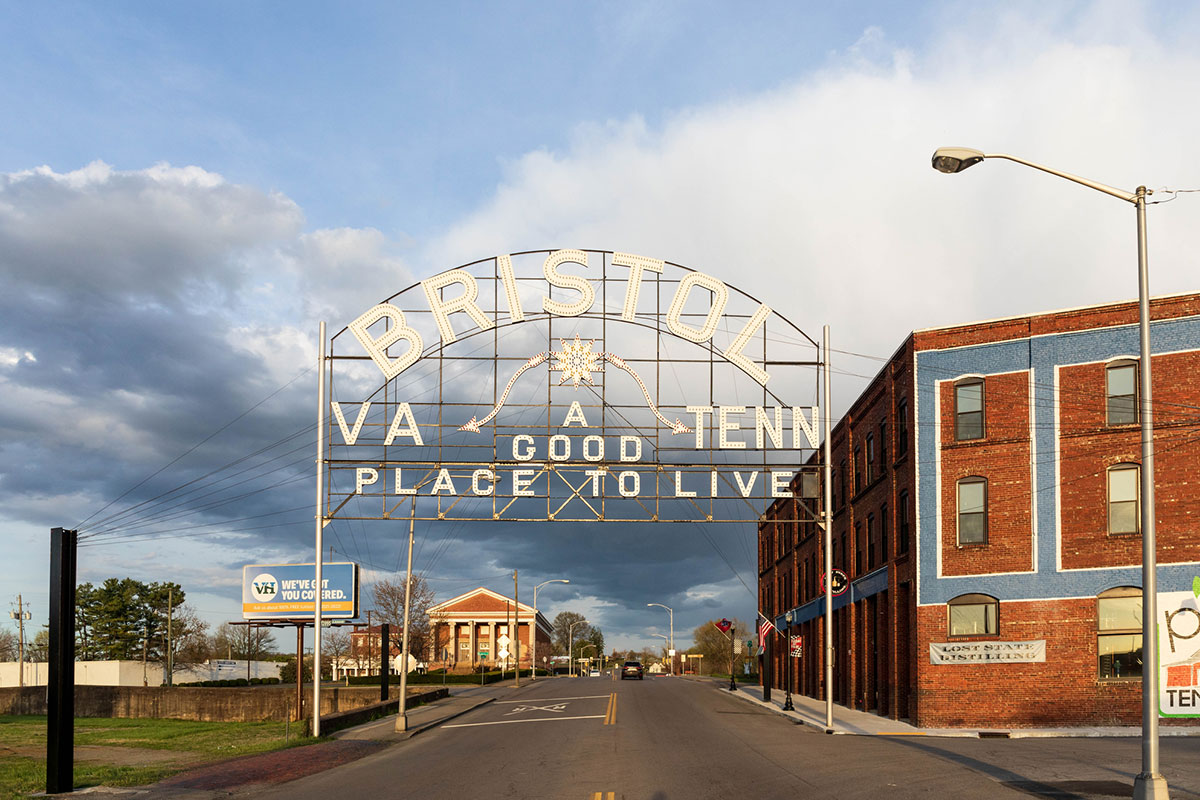
Living in Bristol, whether on the Virginia or Tennessee side, feels like straddling two different lives. On paper, we’re two cities, split by a line down State Street. But when you’re battling addiction and mental illness, that line doesn’t matter. Pain doesn’t care what zip code you’re in. And for me, it was all-consuming.
I was living a double life long before I realized how deep I’d fallen. To most people, I looked like I was holding it together. I’d smile at the gas station, show up for work when I could, try to keep up appearances. But inside, I was crumbling. Meth had wrapped itself around my days. Fentanyl was there for the nights. Depression and anxiety filled in all the cracks in between.
It started small—just a way to cope, to sleep, to function. A little something to take the edge off. But the edge turned into a cliff, and before I knew it, I was falling.
The shame of using in secret, of hiding who I’d become, wore me down. And the deeper I went into addiction, the louder the voice in my head became—the one that told me I’d never get better, that I wasn’t worth saving. My mental health deteriorated fast. I’d go days without eating, hearing things that weren’t there, thinking things I knew didn’t make sense. But the fear of being labeled crazy or weak kept me from saying anything.
There were nights I sat in my car behind closed businesses downtown—too ashamed to go home, too high to sleep, too scared to ask for help. And still, every morning, I told myself I’d quit. I just needed one more hit to get through the day.
I was living in both Bristols, but I wasn’t living at all.
The Quiet, Powerful Rebirth: What Recovery Gave Me
I wish I could say I woke up one day and everything changed. But the truth is, recovery didn’t begin with confidence or clarity—it began with desperation. I hit rock bottom with no more excuses left, and for the first time, I said out loud, “I need help.”
And that was the beginning of everything.
Recovery gave me back my mind. For years, I couldn’t tell where my thoughts ended and the drug-induced fog began. I lived in paranoia, self-loathing, and hopelessness. But as the drugs left my system and I got the support I needed, it was like someone slowly opened the curtains in a dark room. I began to think clearly. I started to feel again—pain, yes, but also hope.
My body followed. I could sleep through the night. My appetite returned. The constant tremors in my hands stopped. I could walk without shaking, breathe without anxiety clenching my chest. Even my skin started to look like mine again.
More than anything, though, recovery gave me back my dignity.
I learned to tell the truth. I learned how to own my story without shame. I reconnected with my family, apologized to friends I had pushed away, and built new relationships with people who saw me for who I was becoming—not who I had been.
Recovery gave me back my future.
For the first time in years, I could picture myself living past next week. I started setting goals—little ones at first, like making it to every meeting, or applying for a job. But then bigger ones: volunteering, rebuilding my credit, finding purpose in helping others walk the same path I was on.
There’s freedom in recovery—not just from substances, but from the chains of fear, guilt, and self-hatred. It’s not always easy, but every single day in recovery is worth it.
Where the Healing Starts: Hopkins Medical Association and You
Recovery doesn’t happen alone. I wouldn’t be here today if I hadn’t found the right support. That’s where Hopkins Medical Association comes in. If you’re in Bristol—on either side of the state line—and you’re battling addiction, mental health struggles, or both, they are here for you.
Hopkins Medical Association doesn’t treat you like a statistic. They see you. They see the pain behind the addiction. The reasons behind the relapse. The human behind the diagnosis.
They helped me take that first step. And they never let go of my hand after that.
Whole-Person Recovery Care
Addiction is never just about drugs—it’s about trauma, mental health, environment, biology, and a deep need for relief. Hopkins understands that. Their programs are designed to treat the whole person—mind, body, and spirit.
Here’s what they offer:
- Medication-Assisted Treatment (MAT): For substances like opioids and meth, MAT saved my life. It allowed me to stabilize, reduce cravings, and focus on healing instead of constantly battling withdrawal.
- Therapy and Counseling: Whether it was trauma therapy, grief counseling, or cognitive behavioral therapy, I had access to professionals who listened. Who helped me unpack the pain I’d been carrying for years.
- Integrated Mental Health Services: My anxiety and depression weren’t an afterthought—they were a central part of my treatment. I saw a psychiatrist who helped me find the right medications, and a therapist who helped me rebuild from the inside out.
- Group Support: One of the most powerful parts of recovery is community. Hopkins connects you with others who know your battle. People who will cry with you, laugh with you, and remind you every day that you’re not alone.
- Chronic Health Management: Addiction ravages your health. I had untreated infections, dental issues, liver concerns. Hopkins didn’t just treat my addiction—they helped me get healthy again.
- Flexible Scheduling and Telehealth: Life in Bristol isn’t always easy. You might not have reliable transportation or a steady work schedule. Hopkins works with you—offering telehealth, multiple clinic locations, and appointment flexibility.
You Don’t Need a Perfect Past to Deserve a Better Future
Hopkins Medical Association isn’t just a clinic—it’s a safe harbor. A place where you can show up broken and still be welcomed. A place where relapse isn’t failure, but a step on the road to resilience. A place where your story is honored, and your future is protected.
Whether you’re coming in for the first time, starting over, or trying again, they’ll meet you exactly where you are—and walk with you toward where you’re meant to go.
I didn’t think I could trust another provider. But Hopkins changed that. They gave me consistency, compassion, and accountability. They helped me rediscover my worth. And they helped me build a life I’m proud of.
You Were Meant for This Life—Not That One
If you’re still stuck in the cycle—still using to survive, still afraid to ask for help, still wondering if things will ever change—I want you to know something:
You were meant for more.
You were not born to suffer.
You were not created to be invisible.
You are not beyond saving.
I know it’s hard. I know the voices in your head might be telling you not to bother, that you’ll just mess it up again. But they’re wrong. Because recovery isn’t about perfection—it’s about persistence.
It’s about showing up. Again and again. Even on the bad days.
And Hopkins Medical Association will be there every single time you do.
Ready to Take the First Step?
If you’re in Bristol, VA or Bristol, TN, and you’re struggling with meth, fentanyl, alcohol, or the heavy burden of mental illness—you don’t have to carry it alone anymore.
Hopkins Medical Association is ready to support you—without judgment, without delay, without conditions.
They helped me reclaim my life. They’ll help you reclaim yours.
You don’t need to wait for things to get worse. You don’t need to hit bottom again. Wherever you are today is the perfect place to start.
Because you were never meant to just survive.
You were meant to live.
Let Hopkins Medical Association walk beside you as you build a life filled with meaning, purpose, peace, and pride.
You are not alone.
And this—right now—can be your new beginning.