
The Hollow Life I Was Living
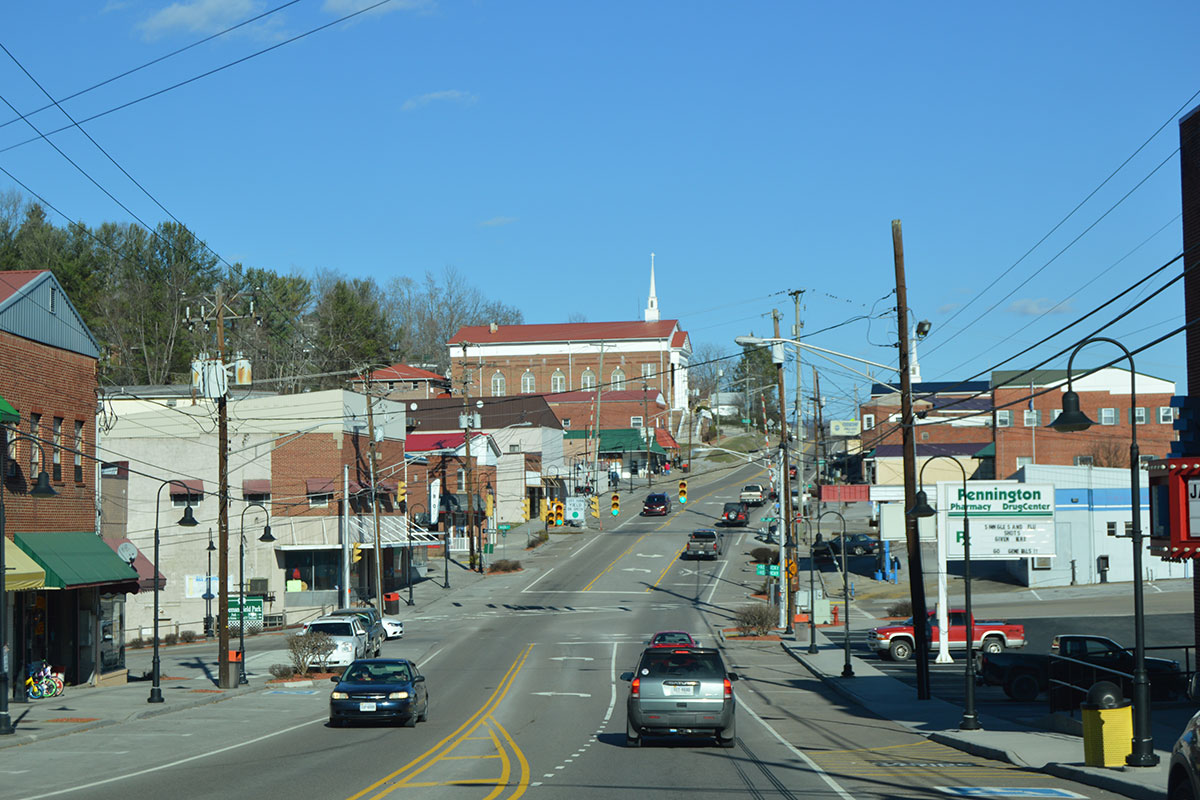
I’m not proud of the things I’ve done. But I’m not ashamed to tell you this: I was lost. Meth and fentanyl had taken everything from me—my health, my family, my peace, and nearly my life. I grew up in Pennington Gap, a place where people take care of their own, where we say hello to each other on the street and gather at high school football games on Friday nights. But even in a town like ours, addiction can take root. And it did—with me.
It started with pain pills after a car accident. Then I was introduced to meth by someone I trusted. Fentanyl came next, masked in pills and laced in everything. I was hooked before I even knew what was happening. Days turned into a fog of getting high and avoiding withdrawal. I’d wake up in random places, not sure how I got there. I hurt the people I loved, lied to everyone, and pushed away anyone who tried to help.
Pennington Gap started feeling like a prison instead of a home. I knew I was killing myself, but I didn’t know how to stop. Every time I tried to quit, the sickness and cravings were unbearable. The only thing that felt worse than using was not using. I thought I was beyond help. I thought I was too far gone.
But I was wrong.
Rediscovering Myself: The Life-Changing Benefits of Recovery
Recovery is not a straight path—it’s full of potholes, detours, and painful honesty. But it’s also filled with hope, growth, and the kind of peace I never thought I’d know again. I didn’t just “get clean”—I got my life back.
I Got My Body Back
Meth made me rail-thin and twitchy. Fentanyl left me groggy and one overdose away from a coffin. In recovery, my body started healing. I began sleeping through the night. My appetite returned. I no longer looked in the mirror and saw a stranger. I saw me—flawed but healing.
I Faced My Pain
I didn’t get high for fun. I got high to avoid pain—childhood trauma, toxic relationships, and the feeling that I wasn’t good enough. In recovery, I had to face that pain instead of numbing it. Therapy helped me dig into the roots of my addiction and learn how to sit with hard feelings without falling apart. I learned that feeling things is hard—but it’s better than feeling nothing.
I Rebuilt My Relationships
Addiction made me isolate. I ghosted people, stole from family, broke promises. In recovery, I took ownership of the damage I caused. I didn’t expect forgiveness, but I asked for it. And little by little, some people let me back in. My mom let me come to Sunday dinner again. My daughter answers my calls now. I learned that healing happens one conversation at a time.
I Found My Voice
For years, shame silenced me. I didn’t believe I deserved to speak up. But recovery taught me to use my voice—to share my story, to advocate for others, and to remind people like me that we’re not broken. We’re human.
I Discovered Purpose
I started mentoring others in recovery. I volunteer at a local food pantry. I help organize clean-up events in Pennington Gap. I even went back to school to study counseling. For the first time in years, I feel like I belong here again. Like I matter.
Why Hopkins Medical Association Was the Turning Point
When I was finally ready to get help, I didn’t need lectures or judgment—I needed real support. That’s exactly what I found at Hopkins Medical Association. From the first phone call, I knew I wasn’t just another statistic. I was treated like a person. A person who deserved a second chance.
Judgment-Free, Compassionate Care
When you’ve lived the life I lived, you expect people to look down on you. But not at Hopkins. Every staff member I met—from the receptionist to the providers—treated me with respect and kindness. No eye rolls, no side comments, no guilt trips. Just, “We’re glad you’re here. Let’s get to work.”
Medication-Assisted Treatment That Saved My Life
I started Suboxone treatment at Hopkins, and it changed everything. It made it possible for me to get through the day without using. It eased my withdrawal symptoms and gave me a chance to focus on recovery instead of battling cravings. MAT isn’t about replacing one drug with another—it’s about stabilizing your body so you can do the real work of healing. And it works.
Therapy That Got to the Root
Hopkins connected me with a licensed counselor who helped me unpack my trauma, rebuild my self-esteem, and learn healthy coping skills. Through individual and group therapy, I found support, accountability, and tools I use every day. I used to think therapy was for other people—not people like me. But honestly, it’s what saved me.
Whole-Person Recovery
What stood out the most about Hopkins is that they treat the whole person—not just the addiction. They asked about my mental health, my living situation, my goals. They helped me get referrals for housing support and connected me with a recovery coach who checks in regularly. They even helped me find dental care—I hadn’t seen a dentist in years because I was embarrassed.
Local, Accessible, and Part of Our Community
Pennington Gap is a small town. Sometimes we feel forgotten by bigger health systems. But Hopkins is here. They know our community. They know our challenges. And they’re committed to helping people here—not just in theory, but in real, tangible ways. They offer flexible scheduling, help with transportation, and they make sure you don’t fall through the cracks.
You Deserve a Life Beyond Addiction—Let Hopkins Help You Get There
I’m not who I used to be. And thank God for that.
I’m still healing, still learning. But I’m living. I laugh again. I go fishing with my uncle. I drive past places where I used to get high and feel proud—not tempted. That’s what recovery gives you: the ability to choose you again.
If you’re reading this and still stuck in the cycle—please know this: you are not alone. You are not weak. You are not hopeless. You are someone who deserves to get well. You are someone who is worth saving.
I thought I was too far gone. But Hopkins Medical Association saw something in me I couldn’t see in myself. They held my hand when I couldn’t walk, stood beside me when I took my first steps, and cheered me on when I started running toward a better life.
They can do the same for you.
Your Next Step Starts Today
Hopkins Medical Association in Pennington Gap is ready to help you take back your life. Whether you’ve tried recovery before or this is your first time reaching out, they will meet you where you are—with compassion, evidence-based care, and the resources you need to succeed.
You were meant for more than addiction. You were meant for a full, beautiful, meaningful life.
Let Hopkins help you live it.